








ABC - Health News

Louisiana reporting at least 5 deaths from flesh-eating bacteria in seawater

Vibrio vulnificus bacterium. (Quantico69/Getty Images)

(NEW YORK) -- Louisiana health officials on Thursday urged residents to take precautions following an uptick in severe cases of a type of dangerous flesh-eating bacteria Vibrio vulnificus.

So far this year, the state has reported nine cases, five of them fatal. During the same period in previous years, Louisiana averaged seven cases and one death.

The Louisiana Department of Health said all nine cases reported this year were linked to wounds exposed to seawater and that all of the patients had underlying health conditions.

“Vibrio bacteria occur naturally in warm coastal waters and are found in higher numbers from May to October, when water temperatures are warmer. Infection can occur when an open wound is exposed to brackish or salt water or when a person eats raw or undercooked seafood, particularly oysters,” the Louisiana Department of Health said in a statement.

Vibrio infection can result in gastrointestinal illness, wound infection, or blood poisoning, officials said.

“Some species, including Vibrio vulnificus, can cause severe and life-threatening infections. People with severe infections may require intensive care or limb amputation,” health officials added. “About one in five people with Vibrio vulnificus infection dies, sometimes within a day or two of becoming ill.”

Authorities said that people should seek medical care “immediately if a wound exposed to brackish or salt water becomes red, swollen, painful, warm, or discolored,” and that the health care provider should be told about water exposure.

Copyright © 2026, ABC Audio. All rights reserved.

Michigan health officials say people can resume regular lettuce-eating habits as new cases of cyclosporiasis slow

Fresh greens at the market. (Maria Korneeva/Getty Images)

(NEW YORK) -- Michigan health officials said on Thursday that people can resume regular lettuce- and salad greens-eating habits as new cases of cyclosporiasis slow.

It's one of nine states in a multi-state outbreak linked to shredded iceberg lettuce served at some Taco Bell restaurants.

The iceberg lettuce was supplied by Taylor Farms and sourced from central Mexico. Taylor Farms issued a voluntary recall of all iceberg lettuce sourced from central Mexico. 

The state has seen more than 12,400 cases since June, including 279 hospitalizations and two deaths, health department data shows.

Taco Bell also said it is no longer using lettuce from Taylor Farms de Mexico at any of its restaurants. 

The update from the Michigan Department of Health and Human Services (MDHHS) said the majority of contaminated produce is "likely" no longer available to consume.

Additionally, new cyclosporiasis cases and related emergency department visits are declining, MDHHS said. Most exposures occurred in late June or early July, the department noted.

"Since the start of this outbreak, MDHHS has remained committed to providing timely, transparent information and clear recommendations to Michigan residents," Dr. Natasha Bagdasarian, MDHHS chief medical executive, said in a press release. "As new data has emerged, our guidance has evolved to reflect the best available evidence, helping ensure that prevention recommendations are accurate, actionable and responsive to the changing situation."

The recommendation to avoid bagged salad mixes is no longer in effect, the department said.

"Residents may resume their usual food handling practices and make choices based on their individual risk tolerance," the release from MDHHS added.

Consumers should continue avoiding any recalled food products, health officials noted, as well as continuing to rinse fruits and vegetables and washing hands and surfaces often.

The Centers for Disease Control and Prevention has previously said it is investigating other outbreaks and illnesses of cyclosporiasis nationally that are unrelated to the nine-state outbreak.

Since May 1, cases of cyclosporiasis have topped 22,000 in 47 states, according to data updated by the CDC on Tuesday.

There are at least 10,468 laboratory-confirmed cases of cyclosporiasis, including 423 hospitalizations, the CDC data shows. The agency is also aware of at least 12,255 additional cases that have not yet been laboratory confirmed or require further investigation and analysis.

Copyright © 2026, ABC Audio. All rights reserved.

Measles exposure reported at Universal Studios Hollywood

Stock photo of a person with the measles. (Mumemories/Getty Images)

(NEW YORK) -- Los Angeles County health officials said a person infected with measles visited Universal Studios Hollywood last month and potentially exposed others to the virus.

The county's Department of Public Health said Wednesday that it is investigating the case involving the visitor who was at the theme park on July 26. Other possible locations within the county are being probed, according to the health department.

Anyone who was in the park that day between 10 a.m. and 9 p.m. is asked to confirm their protection against the virus and is warned that they may be at risk of developing measles from seven to 21 days after being exposed, according to the health department.

Health officials said that people who have been vaccinated against the virus are likely to be protected, as are people who had measles previously.

"People who are unimmunized or have unknown measles immunization status are at higher risk and should monitor for symptoms closely. Anyone who remains symptom-free for more than 21 days after being exposed is no longer considered at risk," the health department said in a statement.

A spokesperson for Universal Studios Hollywood said in a statement Friday that the park is working with the health department in their probe.

"The safety and security of our guests and team members is our highest priority," the company said.

Measles symptoms include fever, cough, runny nose, red eyes or a rash. The virus can spread through the air and can remain in the air or on infected surfaces for up to two hours after an infected person leaves an area.

Anyone who believes they have contracted measles is urged to call a doctor immediately, according to the health department.

"Measles spreads easily and can lead to serious complications, including pneumonia, brain swelling, and even death," Dr. Muntu Davis, the Los Angeles County Health Officer, said in a statement.

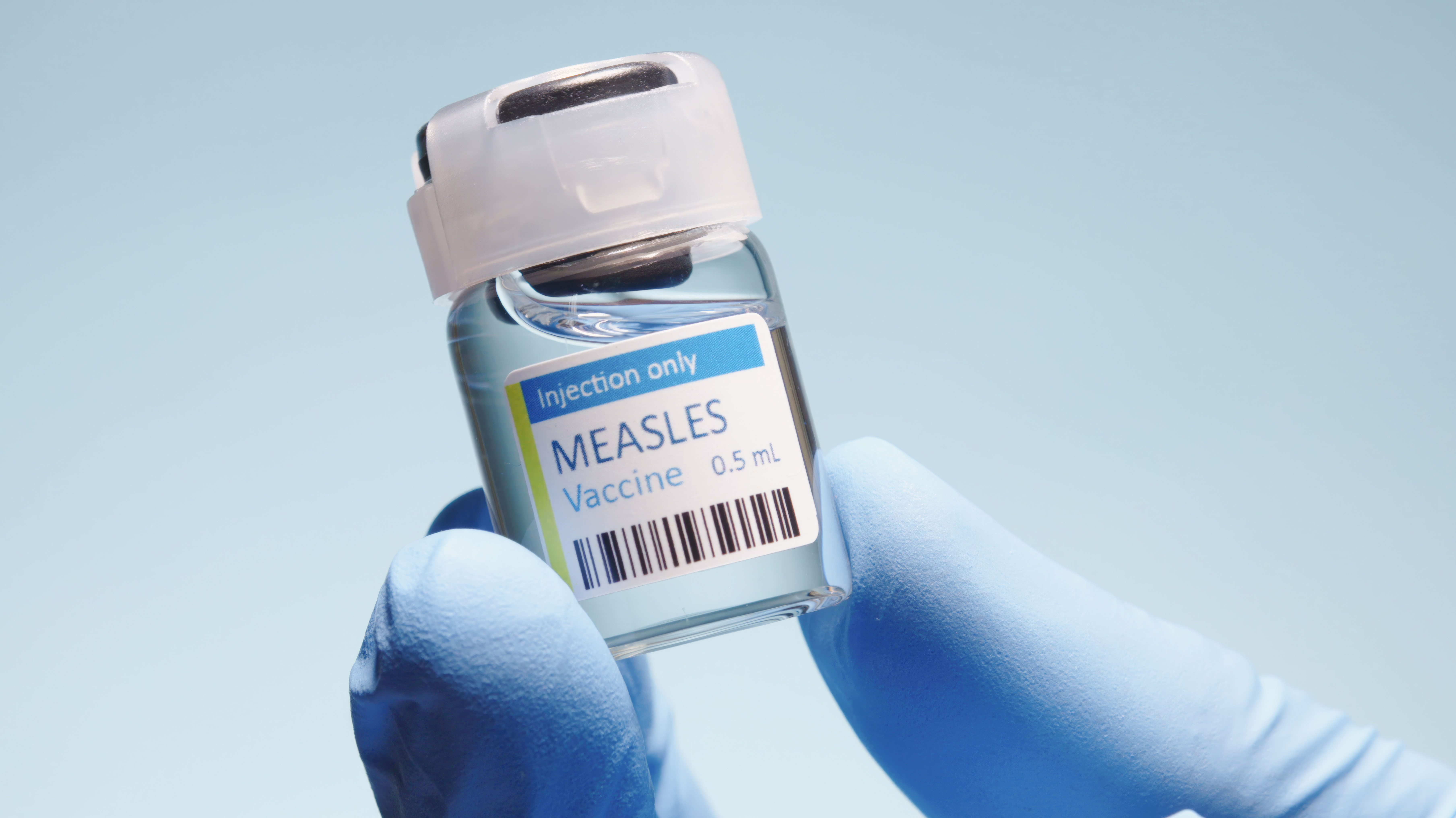
Over 2,300 measles cases have been recorded this year, the highest number since 1991, according to the U.S. Centers for Disease Control and Prevention.

The majority of measles cases in 2026 have been confirmed among children and teenagers aged 19 and younger, according to the CDC. About one in 10 children under age 5 diagnosed with measles this year have been hospitalized.

About 93% of cases this year are among people who are unvaccinated or whose vaccination status is unknown, CDC data shows.

The CDC currently recommends that people receive two doses of the MMR vaccine, the first at ages 12 to 15 months and the second between 4 and 6 years old. One dose is 93% effective, and two doses are 97% effective against measles, the CDC says.

-ABC News' Mary Kekatos contributed to this report.

Copyright © 2026, ABC Audio. All rights reserved.


Salmonella outbreak linked to jalapenos served at Chipotle expands to Qdoba: FDA

Jalapeño peppers on display at a local street market in San Antonio, Texas. (Getty Images/Gabriel Perez)

(NEW YORK) -- Health officials are expanding an investigation into jalapenos served at Chipotle restaurants to include Qdoba restaurants. The Food and Drug Administration said the jalapenos may be a possible source of a growing salmonella outbreak that has infected 345 people across 27 states.

Both restaurants have removed the jalapenos from their stores, the FDA said.

Qdoba said in a statement to ABC News that it is "cooperating with public health authorities" in the investigation and have pulled jalapenos from their restaurants.

"Out of an abundance of caution, we have proactively removed jalapenos from all our restaurants at this time," the restaurant chain said. "We take any report involving guest health seriously and are committed to responding appropriately based on the facts and guidance from public health authorities."

"Food safety is our highest priority," Qdoba added. "We maintain rigorous food safety standards and work closely with our suppliers, distribution partners, and restaurant teams to help ensure the safety and quality of the food we serve."

Chipotle previously told ABC News they had removed jalapenos from affected restaurants in multiple states as well.

"We have a robust ingredient traceability system and, upon learning of a potential Salmonella outbreak in the supply chain impacting several food service retailers, we proactively identified jalapenos as a potential common ingredient from a common lot, removed them from the restaurants where they had been distributed, and replaced them with product from different growers," Laurie Schalow, Chipotle's chief corporate affairs and food safety officer, said in a statement.

The FDA identified through a traceback investigation that both Chipotle and Qdoba received food ingredients that were grown in Mexico and imported by Coast Citrus Distributors from Sinaloa. Coast Citrus Distributors has since agreed to recall jalapeno product from the market, per the FDA.

Salmonella are bacteria that can cause a common foodborne illness called salmonellosis, according to the Centers for Disease Control and Prevention. Infections tend to occur more in the summer, when warmer weather presents ideal conditions for the bacteria to grow, the agency states.

Symptoms of a salmonella infection may include watery diarrhea, stomach cramps, headache, nausea, vomiting, and a loss of appetite, according to the CDC. Symptoms can start anywhere from six hours to six days after infection and can last from four to seven days, the agency says.

According to the CDC, the highest number of reported salmonella cases are currently located in Minnesota and Colorado, with at least 110 cases in each state so far. Overall, there have been zero deaths reported but 36 have been hospitalized, the CDC said.

The Minnesota Department of Health previously told ABC News the agency expects the number of salmonella cases to potentially increase in the coming days, noting that "it takes us a while to detect cases in surveillance."

"Our investigations often start with speaking to persons diagnosed with a foodborne illness that were reported to the health department as part of our surveillance," the department said. "We'd like to ask the public to please answer our calls. The information they provide is critical to solving outbreaks quickly."

The FDA said it does not consider there to be an ongoing risk from eating at Qdoba or Chipotle restaurants. 

Each year, the CDC estimates the U.S. sees about 1.35 million salmonella infections.

ABC News has reached out to GrubMarket, which owns Coast Citrus Distributors for comment.

Copyright © 2026, ABC Audio. All rights reserved.

Trump administration to end Medicare Part D subsidy program in 2027

Dr. Mehmet Oz speaks at the Wisconsin Air National Guard facility at Milwaukee Mitchell International Airport on July 8, 2026, in Milwaukee, Wisconsin. (Photo by Mark Schiefelbein-Pool/Getty Images)

(WASHINGTON) -- The Trump administration is ending a key health insurance subsidy program that aimed to keep premiums for seniors' prescription drug plans in check, claiming that it benefits corporate insurance companies, according to Centers for Medicare & Medicaid Services Administrator Mehmet Oz.

Medicare Part D -- the government health insurance program's prescription drug benefit -- is used by tens of millions of older or disabled beneficiaries.

The program's subsidies are set to expire at the end of the year, the administration announced Tuesday.

That move will likely result in higher prescription costs and increase premiums for about half of recipients, according to an administration official.

The changes are anticipated to happen in 2027 and enrollees will find out the new monthly cost later this fall, administration officials said.

Currently the government pays billions of dollars to insurance companies as a subsidy to keep prescription drug insurance at an average of $36 per person per month, according to KFF, a health policy nonprofit. 

Ending the subsidies may increase premiums for some by as much as $20 a month, according to KFF.

The move comes as Affordable Care Act subsidies have expired and health care costs remain a top issue for voters ahead of the midterm elections. The ACA subsidies helped lower the out-of-pocket costs for monthly premiums for people who purchased health care through the health insurance marketplace.

Trump administration officials decried the Biden administration for signing the Inflation Reduction Act, which they allege bailed out major insurance companies and resulted in increased premiums for Americans. Trump officials also claim that billions of dollars were funneled to the companies through Biden’s signature legislation

At the time, Biden officials touted the Inflation Reduction Act for allowing the government to negotiate with drug companies about the pricing for some of their most expensive medicines.  

"We are stabilizing the market so this bailout is no longer needed," Oz wrote in a post on X. "Premiums will go up by less than $10 for most Medicare recipients, with many even seeing LOWER premiums."

"Every Medicare beneficiary still has access to low-cost plans, and we will continue to lower prescription drug prices for every American patient, from more MFN deals to our policy giving seniors access to GLP-1s for $50 a month," he added, referring to "most favored nation" deals under which pharmaceutical companies charge U.S. patients the same rate as they charge in other countries.

The news about the Medicare Part D subsidies ending was first reported by The Wall Street Journal.

About half of enrollees will either see a premium increase of less than $10 or a premium decrease and most will have plans available at $10 or less, according to a Trump administration official.

Copyright © 2026, ABC Audio. All rights reserved.


More than 18,000 cyclosporiasis cases reported across 45 states: CDC

Cyclospora cayetanensis is a unicellular parasite that causes an intestinal infection called cyclosporiasis. (Centers for Disease Control and Prevention)

(WASHINGTON) -- Cases of cyclosporiasis, an intestinal illness caused by a parasite, have topped 18,000 in 45 states, according to updated data Wednesday from the Centers for Disease Control and Prevention.

Since May 1, at least 6,707 cases have been laboratory-confirmed, including 423 hospitalizations, the CDC noted.

Additionally, the agency said it is "aware" of more than 11,500 additional cases that are not laboratory confirmed or require further investigation and analysis. Many of these additional cases have been reported by Michigan and Ohio, which have linked the bulk of their cases to now recalled iceberg lettuce.

The CDC notes that this parasite typically spikes in the summer months, so other states could be seeing cases tied to other sources. 

Health officials have previously said that increases in cases may reflect reporting delays rather than a fresh wave of infections.

The CDC said it can take up to six weeks to determine if a sick person should be counted in the agency's tally.

Additionally, the average time between infection and when symptoms appear is one week but can take up to two weeks or longer, according to the CDC. This means it may take some time for diagnosis and reporting to catch up.

The ages of those who have fallen ill ranges from 1 to 98 years old, the data shows. No deaths have been reported. 

While health officials have linked some of these cases to shredded iceberg lettuce served at some Taco Bell restaurants in nine states, the agency said it is possible there are other potential sources -- something officials continue to investigate. 

The lettuce at Taco Bell was supplied by Taylor Farms and sourced from central Mexico. Earlier this month, Taylor Farms de Mexico issued a voluntary recall of all iceberg lettuce sourced from central Mexico, with the recall affecting 27 states.

The recalled products were distributed from June 29 through July 16 and have best-if-used-by dates up to Aug. 3. 

Additionally, Taco Bell said it is no longer using lettuce from Taylor Farms de Mexico at any of its restaurants. 

ABC News' Mary Kekatos contributed to this report.

Copyright © 2026, ABC Audio. All rights reserved.


Federal health officials have investigated 5 different clusters of cyclosporiasis cases, FDA says

Cyclospora cayetanensis is a unicellular parasite that causes an intestinal infection called cyclosporiasis. (CDC)

(WASHINGTON) -- Federal health officials have been investigating five different clusters of cyclosporiasis cases since the start of parasite season in May, the Food and Drug Administration (FDA) said during a press conference on Monday.

Three of those clusters are considered over, acting FDA Commissioner Kyle Diamantas said. Meanwhile, the largest cluster, linked to shredded iceberg lettuce served at Taco Bell locations in five states, has seen cases as recently as last week.

The majority of cases have been reported in Michigan, where there are now 6,148 cases, according to an update Monday morning from the Michigan Department of Health and Human Services (MDHHS). This is an increase of more than 1,000 cases since Friday.

"I want to stress that our investigation continues, including into other potential sources and commodities for other clusters of illnesses," Diamantas said during Monday's press conference. 

So far, the CDC has confirmed 1,644 infections linked to the outbreak in Indiana, Kentucky, Michigan, Ohio and West Virginia, and has advised the public not to eat shredded iceberg lettuce served at Taco Bell locations in those five states.

The agency said the true number of cases in the outbreak is "likely much higher than the number reported" because many people recover from the illness without medical care and are not tested for the Cyclospora parasite.

Diamantas also addressed a false positive test result over the weekend from a sample of iceberg lettuce from Taylor Farms de Mexico. 

Last week, Taylor Farms de Mexico issued a voluntary recall of all iceberg lettuce sourced from central Mexico, with the recall affecting 27 states. The recalled products were distributed from June 29 through July 16 and have a best-by dates up to Aug. 3.

Taco Bell said Friday that it is no longer using lettuce from Taylor Farms de Mexico at any of its restaurants.

Over the weekend, the FDA said a sample of shredded iceberg lettuce supplied by Taylor Farms, which was not part of the recall, tested positive.

However, the agency later clarified that during a re-review of the sample results, it determined the result was a false positive. Taylor Farms issued a statement on Sunday, saying "we were informed that FDA made a mistake."

"To be clear, at this moment, FDA has not identified a single positive product test result for Cyclospora," Taylor Farms wrote in its statement Sunday.

"Based on initial information provided by health officials, in an abundance of caution, we completed a voluntary recall of iceberg lettuce from central Mexico. Recalled product was limited to iceberg lettuce grown and processed in central Mexico," the Taylor Farms statement continued. "All other Taylor Farms products, including all Taylor Farms brand products available for purchase, are not involved in the recall."

Diamantas said Monday that the false positive did not change the FDA's findings that linked cases to shredded lettuce from Taylor Farms. 

"I also want to be clear that our weakened communications around a false positive test result do not change the basis for FDA's ongoing outbreak investigation or the epidemiological data supporting the current voluntary recall by Taylor Farms,” Diamantas said. 

The FDA similarly shared a post on X Monday afternoon, saying that the epidemiological data supporting the Taylor Farms lettuce recall was "overwhelming."

"FDA's traceback investigation and outbreak data continue to converge on shredded iceberg lettuce from Taylor Farms locations in central Mexico," the FDA's post read, in part. "FDA will continue to work with federal and state partners to investigate this multistate outbreak and ensure products implicated in this outbreak have been removed from the market." 

The CDC said it's also investigating other cyclosporiasis outbreaks and illnesses unrelated to the larger outbreak. At least 29 other states have confirmed domestically acquired cases since May 1, the CDC reports.

Additionally, 440 cases in 35 states have been confirmed among people who ate or drank food or water that made them sick while traveling outside the U.S. in the days before they came ill, according to the CDC.

Copyright © 2026, ABC Audio. All rights reserved.


Cases of cyclosporiasis in Michigan surpass 5,000, health officials say

Cyclospora cayetanensis is a unicellular parasite that causes an intestinal infection called cyclosporiasis. (CDC)

(NEW YORK) -- Hospitalizations in Michigan linked to an outbreak of cyclosporiasis, an intestinal illness caused by a parasite, have surpassed 100, health officials said Friday.

So far, 102 people have been hospitalized, according to the Michigan Department of Health and Human Services (MDHHS). There are more than 5,000 cases in the state, an increase of nearly 700 since Thursday, officials said.

The Centers for Disease Control and Prevention and the Food and Drug Administration are warning consumers not to eat shredded iceberg lettuce sold at select Taco Bells in five states -- Indiana, Kentucky, Michigan, Ohio, and West Virginia -- after the ingredient was linked to the outbreak. The CDC said that shredded iceberg lettuce sold in grocery stores or served in other restaurants is not affected. 

Lettuce supplier Taylor Farms said it is voluntarily removing all iceberg lettuce sourced from central Mexico from the U.S. market.

Taylor Farms said the FDA traceback indicated a "specific farm" that accounts for "less than 1% of the U.S.'s iceberg lettuce supply" was a potential source, and they have removed all iceberg lettuce from the region indefinitely. No other Taylor Fresh Food products have been impacted and that no branded salad kits contain iceberg lettuce, Taylor Farms said. 

"As a family owned and operated company, we are deeply concerned for those who became ill, their families, and the many Americans whose trust in the safety of their fresh produce has been shaken. That trust is something we've worked for decades to earn, and we are committed to doing everything in our power to restore that confidence," Taylor Farms said in a statement Friday.

Preliminary findings by Michigan health officials suggest lettuce or salad greens are the potential source of the illnesses. However, no specific type of produce, grower or supplier has been identified as the source, and federal health officials have not publicly identified a source of the outbreak.

The White House said on Thursday it is "closely monitoring" the cyclosporiasis outbreak and "has a handle on the situation."

Press secretary Karoline Leavitt said the White House is working with the FDA and partners at the federal, state and local levels to "increase detection methods," provide guidance and trace the outbreak.

On Tuesday, Taco Bell said it would voluntarily remove some ingredients at select restaurants as a precautionary measure.

"The health and safety of our guests is our top priority," Taco Bell Corp said in a statement to ABC News. "Public health officials have not confirmed a link to Taco Bell or any specific ingredient, supplier, restaurant or retailer. While authorities continue their broader review, Taco Bell has voluntarily and temporarily removed limited ingredients at select restaurants as a precautionary measure. We will continue to closely monitor the situation and follow the guidance of public health authorities."

Federal health officials said cases of cyclosporiasis will continue to rise in the U.S. The season is typically considered to be from May 1 to Aug. 31.

Additionally, the CDC sent out an alert to doctors around the country on Tuesday warning them of an increase in cases of cyclosporiasis.

Michigan health officials previously told ABC News the outbreak could be linked to food contamination.

Earlier this month, MDHHS sent out recommendations to restaurants and other commercial kitchens in southeast Michigan to reduce risks of exposure.

MDHHS data shows that most cases have been among adults, with 30 to 39 year olds making up the highest share.

The outbreak was first identified on June 29, when the Monroe County Health Department announced it was investigating a cluster of cases.

The parasite usually spreads through food or water contaminated with feces, according to the Centers for Disease Control and Prevention. It does not typically spread person-to-person. 

Foodborne outbreaks of cyclosporiasis in the past have been linked to various types of imported fresh produce, such as raspberries, basil, snow peas, mesclun lettuce and cilantro, according to the CDC.

At least 31 other states have reported cases of cyclosporiasis, according to an ABC News tally, analyzing CDC data and state health department data.

Cyclosporiasis is treated with the oral antibiotic trimethoprim-sulfamethoxazole (TMP-SMX), commonly sold as Bactrim, Septra and Cotrim, and taken for 10 days, according to the CDC.

The agency says people can prevent infection by thoroughly washing produce, cutting away bruised or damaged parts of fruits and vegetables and refrigerating pre-prepared or pre-cut produce.

Additionally, the CDC recommends washing hands thoroughly with soap and water before handling or preparing raw fruits and vegetables.

ABC News' Karen Travers contributed to this report.

Copyright © 2026, ABC Audio. All rights reserved.


Dr. Erica Schwartz appears before Senate committee for confirmation hearing as next CDC director

President Donald Trump has nominated Dr. Erica Schwartz, to be the Director of the CDC, April 16, 2026. (Department of Health and Human Services)

(WASHINGTON) -- A confirmation hearing began on Wednesday for Dr. Erica Schwartz to be the next director of the Centers for Disease Control and Prevention (CDC).

Schwartz, a formal deputy surgeon general, was nominated by President Donald Trump in April. Trump made the announcement in a post on Truth Social, describing Schwartz as "incredibly talented."

Schwartz is the fourth person named or nominated as head of the CDC since last summer. If confirmed by the Senate, Schwartz will replace Dr. Jay Bhattacharya, director of the National Institutes of Health, who took over as acting CDC director in February.

Schwartz earned a medical degree from Brown University and served in the U.S. Navy until 2005.

She served in the U.S. Public Health Service Commissioned Corps, as the Coast Guard Chief Medical Officer and as Deputy Surgeon General from 2019 to early 2021, during the first Trump administration.

"I was very pleased to see Dr. Schwartz nominated to be the next director of the CDC," Dr. Richard Besser, former acting director of the CDC during the Obama administration, told ABC News. "What struck me is how refreshing it felt to see someone nominated for this job who actually has deep experience in public health and has the credentials necessary to lead a complex public health organization."

Besser expressed concern about whether Schwartz, if confirmed, will have the independence from Health and Human Services Secretary Robert F. Kennedy Jr. to make public health recommendations, referencing a previous CDC director: Susan Monarez.

Monarez was confirmed as CDC director in July 2025, but she held the post for less than a month. Monarez was fired by Kennedy for reportedly not rubber-stamping the health secretary's vaccine agenda or firing high-ranking CDC leaders whom he opposed.

The turmoil led to both Kennedy and Monarez appearing in front of Senate committees to address the ousting.

At a Senate hearing, Kennedy denied telling Monarez to accept vaccine recommendations without scientific evidence and claimed she was fired in part because she told him she was untrustworthy.

Besser said he expects that Schwartz will be asked by members of the Senate Committee on Health, Education, Labor and Pensions (HELP) about her perspectives on vaccinations, the Ebola outbreak in the Democratic Republic of the Congo and the rise of measles in the U.S.

"Those are some of the critical areas I think she'll be asked about. There are so many other areas that are of concern to those who have relied on the CDC to prevent illness and promote health," he said.

Sean Kaufman is also appearing before the Senate HELP Committee for his confirmation hearing on Wednesday. Kaufman was nominated to lead the Administration for Strategic Preparedness and Response, which was recently absorbed under CDC as part of an HHS reorganization in 2025.

Kaufman has claimed without evidence that the COVID-19 vaccine caused "excessive death and injury ... in the United States and globally." Health officials have said COVID-19 vaccines are safe and effective following clinical trials that involved tens of thousands of people and have since helped save millions of lives.

"What concerns me about Mr. Kaufman is that he has expressed very strong anti-vaccine views, and the ASPR is responsible for the strategic national stockpile," Besser said. "So, I hope that the committee asks him questions to fully understand the approach that he would take in that role."

Copyright © 2026, ABC Audio. All rights reserved.


'Pretty dire': Aid workers reveal health needs in Venezuela amid recovery from earthquakes

Adi, 38, has been struggling to access health services for her daughter Camila, 10, who was injured a few months ago, due to the high cost and limited services. (Mauro Jose Medina Garcia/The International Rescue Committee)

(NEW YORK) -- As Venezuela continues to recover from powerful twin earthquakes that rocked the north-central part of the country in late June, humanitarian organizations are warning of a "dire" situation on the ground.

The earthquakes, which officials say killed more than 4,400 people and injured more than 16,000, have displaced thousands of Venezuelans.

Aid workers told ABC News that countless people are in need of psychosocial support, in addition to those recovering from earthquake injuries.

Many Venezuelans are also suffering from chronic conditions -- such as diabetes and hypertension -- and are struggling to get care in the aftermath of the natural disaster.

Additionally, there has been a rise in reports of skin conditions and gastrointestinal diseases due to a lack of clean water and poor sanitation conditions, the workers said.

"The situation on the ground is pretty dire in terms of humanitarian needs," Aisha Majid, a media manager at the international NGO Save the Children who is currently based in Caracas, told ABC News. "I've been here for a week, and there are thousands of families who are displaced on the streets."

Mobile clinics treating wide range of conditions

Aid workers told ABC News that hospitals in Venezuela are currently overwhelmed treating people injured by the earthquakes, adding that some of the backlog predates the earthquakes.

"There are thousands of patients seeking help, and there aren't enough doctors or hospitals or primary healthcare facilities," Claudia Manresa, a regional compliance legal manager for the humanitarian organization Project HOPE in Latin America who is based in Venezuela, told ABC News. "There also aren't enough medications, so this crisis joins a system that was already overwhelmed."

Mobile clinics have been helping to fill some of the gaps. Manresa said Project HOPE has two mobile medical units running every day and, as of July 9, they have treated about 2,000 patients.

Save the Children is running a mobile clinic treating both patients with earthquake-related injuries, as well as other health needs including infections and chronic conditions. Majid said the organization is hoping to set up several mobile clinics across the capital of Caracas and the city of La Guaira, which was hit hard by the earthquakes.

Majid recalled that she visited a mobile clinic earlier in the month that Save the Children ran on the northeastern outskirts of Caracas through a local partner, which treated about 150 patients in around four hours.

"The second the clinic opened, there was a queue of people waiting to receive services, which just tells you how much in need people are, and the doctors in the clinic were working nonstop all day, just seeing patient after patient," she said.

Everardo Esquivel, associate director for communications for the International Rescue Committee (IRC), told ABC News that many healthcare facilities were damaged in the earthquakes. As a result, he said people lost access to primary care and follow-up care.

Thirty-eight hospitals were damaged by the earthquakes, with the main referral hospital in La Guaira exceeding capacity within one day, according to the IRC.

The IRC's mobile medical unit has been trying to help manage the increase in patient care, providing medicine for those with chronic conditions, including hypertension and diabetes, as well as antibiotics for certain conditions, he said.

Esquivel explained that there's been a rise in skin conditions and diarrheal diseases due to the lack of clean water in the aftermath of the earthquake. Many shelters have virtually no access to toilets or showers, he said.

"People don't have access to clean water and to properly clean wounds every day, so they get infections," he said. "So, it's two cases [at the mobile clinics]: it's people with chronic diseases or in need of regular treatment and people who got new diseases related to the situation after the earthquakes."

Need for psychosocial support

Humanitarian workers told ABC News there are also mental health issues that may arise after the earthquakes.

The World Health Organization said almost all people affected by emergencies experience psychological distress, which generally improves over time, but a fraction of people will go on to develop mental health conditions.

Manresa said Project HOPE is providing what aid workers refer to as psychological first aid, with a psychologist team deployed in La Guaira, offering different activities for kids and for adults.

She said the organization also has several phone lines that people can contact if they need help.

Children are particularly vulnerable. After a disaster, they may develop mental health symptoms including anxiety, depression and post-traumatic stress disorder (PTSD), according to the Centers for Disease Control and Prevention (CDC).

A 2017 review of eight studies of children following natural disasters found that 4% to 23% experienced chronic symptoms, with persistently elevated PTSD over time.

Majid, with Save the Children, said she's met several children who are experiencing trauma after the earthquake.

Majid recalled meeting an 11-year-old boy who told her he's scared when he sees cracks in the ground because he thinks it means the Earth will open again. She noted that another boy told her he's scared to use the bathroom nearby because there is a crack in it.

"What we're seeing is that there is a huge need for psychological support for children, and this is something that we provide through safe spaces that we run in affected areas," Majid said. "And this is a place where children can come, they can play for a while."

She noted that the organization has psychologists and specialists in mental health working with the young people there.

"It's so important that children not only have a place where they can play but a place where they can also safely express their emotions and find a way to connect with the trauma and the grief that so many of them have been through," she said.

Copyright © 2026, ABC Audio. All rights reserved.


2nd American infected with Ebola in DRC evacuated to Germany, WHO chief says

Medical workers disinfect a facility used to treat an Ebola patient at the Heal Africa Hospital on June 4, 2026 in Goma, Democratic Republic of Congo. (Daniel Buuma/Getty Images)

(NEW YORK) -- A second American citizen infected with Ebola in the Democratic Republic of the Congo (DRC) has been transferred to Germany for care, the head of the World Health Organization said on Monday.

The Centers for Disease Control and Prevention (CDC) announced over the weekend that the unnamed patient works for a humanitarian aid organization and tested positive for the Bundibugyo virus, the strain of Ebola that is behind the DRC's outbreak.

In a post on X on Monday, Dr. Tedros Adhanom Ghebreyesus, director-general of the WHO, said the organization "has provided clinical care and close monitoring" for the patient in the Ituri province, where most of the DRC's cases have been confirmed.

Samaritan's Purse, which has been responding to the outbreak, confirmed on Monday that one of their staff members is the infected patient.

"We can confirm that one of our Samaritan's Purse staff members working in Bunia, Democratic Republic of the Congo (DRC), has tested positive for the Ebola virus," Franklin Graham, president and CEO of Samaritan's Purse, said in a statement. "This respected and faithful staff member has been a part of our Disaster Assistance Response Team for 15 years and has been serving in a logistics capacity in the DRC over the past month. He was not involved in direct patient care at our two Ebola Treatment Centers."

Samaritan's Purse said it immediately contacted the CDC, the State Department and the DRC's government upon learning of the positive test and that the organization has begun contact tracing.

The first American infected with Ebola was a doctor who contracted the disease while treating patients in the DRC. Dr. Peter Stafford was evacuated to Germany at the time to receive specialty care and was hospitalized at Charité University Hospital in Berlin, according to Serge, the international Christian missionary group that employs him.

His wife, Dr. Rebekah Stafford, and their four children were also evacuated to Germany and moved into a separate space at the hospital as high-risk contacts. Peter Stafford was discharged from the hospital in June, and the family has since returned to the United States.

The outbreak in the DRC has led to more than 1,900 cases and more than 700 deaths, according to the latest figures from the DRC's Ministry of Health.

"As infections among response personnel are not unexpected in an outbreak of this scale, protecting frontline responders must remain a top priority," the WHO's Tedros wrote on X. "We are deeply grateful for the courage and commitment of all health workers working to end this outbreak."

Copyright © 2026, ABC Audio. All rights reserved.


Here's where cyclosporiasis is spreading as cases are confirmed in 32 states

Cyclosporiasis cases in the U.S. in 2026 as of July 10, 2026 (CDC, state health departments)

(NEW YORK) -- Cases of cyclosporiasis, an intestinal infection caused by a parasite, are currently being reported in nearly three dozen states, according to an ABC News tally.

As of Friday, at least 2,844 cases have been reported in 32 states, data from the Centers for Disease Control and Prevention (CDC) and state health departments show.

The CDC said the true number of people sick with cyclosporiasis is likely higher than the reported figure because some people recover without medical care and are not tested for the parasite.

Most cases are currently being reported in Michigan with 1,562 as of Friday, according to the Michigan Department of Health and Human Services (MDHHS). At least 44 people have been hospitalized in the state.

This is 31 times higher than the approximately 50 cases that Michigan sees every year, according to the health department.

Michigan health officials previously told ABC News that the working hypothesis is the outbreak is linked to food contamination but, so far, no produce, grower or supplier has been identified.

The parasite usually spreads through food or water contaminated with feces, according to the CDC.

Foodborne outbreaks of cyclosporiasis have been linked to various types of imported fresh produce, such as raspberries, basil, snow peas, mesclun lettuce and cilantro, the CDC says.

New York is reporting the second highest number of cases at 394, followed by Ohio at 364, according to data from both state health departments. Meanwhile, Illinois and Florida are each reporting more than 100 cases, according to their respective health departments.

The most common symptom of cyclosporiasis is watery diarrhea "with frequent and sometimes explosive bowel movements," according to the CDC. Other symptoms nay include nausea, vomiting, abdominal pain or bloating.

The time between becoming infected and showing symptoms is typically about one week but can range from two days to two weeks, the CDC says. The lag can make it difficult to trace back what may have infected someone, doctors previously told ABC News.

Cyclosporiasis is treated with the oral antibiotic trimethoprim-sulfamethoxazole (TMP-SMX), commonly sold as Bactrim, Septra and Cotrim, and taken for 10 days, according to the CDC.

The agency says people can prevent infection by thoroughly washing produce, cutting away bruised or damaged parts of fruits and vegetables and refrigerating pre-prepared or pre-cut produce.

Additionally, the CDC recommends washing hands thoroughly with soap and water before handling or preparing raw fruits and vegetables.

Copyright © 2026, ABC Audio. All rights reserved.


What you need to know about cyclosporiasis: How it spreads, how it's treated

Cyclospora cayetanensis is a unicellular parasite that causes an intestinal infection called cyclosporiasis. (CDC)

(NEW YORK) -- Multiple states are reporting an increase in cyclosporiasis cases, an intestinal infection caused by a parasite.

Health officials in Michigan have reported more than 1,200 cases and, in neighboring Ohio, cases have topped 170.

Here's what you need to know about the infection, including how it spreads, how it's diagnosed and how to treat it.

What is Cyclosporiasis?

Cyclosporiasis is an intestinal infection caused by the microscopic parasite Cyclospora cayetanensis, also known as Cyclospora, according to the Centers for Disease Control and Prevention (CDC).

The infection affects the small intestine and can cause watery diarrhea with sometimes "explosive" bowel movements, according to the federal health agency.

Other symptoms can include cramping, bloating, low-grade fever, nausea and vomiting.

The agency further said it takes about one week from the time of infection to become symptomatic, but that time can range from two days to two weeks.

How it spreads

The parasite usually spreads through food or water contaminated with feces, according to the CDC.

Foodborne outbreaks of cyclosporiasis have been linked to various types of imported fresh produce, such as raspberries, basil, snow peas, mesclun lettuce and cilantro, according to the CDC.

How the infection is diagnosed

A healthcare provider will diagnose cyclosporiasis by testing stool samples, according to the CDC.

Patients may have to submit several stool samples on different days to detect the parasite because laboratory tests may have a hard time detecting Cyclospora.

The CDC says a patient's healthcare provider will need to specifically request testing for the parasite.

How cyclosporiasis is treated

Cyclosporiasis is treated with the oral antibiotic trimethoprim-sulfamethoxazole (TMP-SMX), commonly sold as Bactrim, Septra and Cotrim, and taken for 10 days, according to the CDC.

The CDC says most people with healthy immune systems will eventually recover without treatment, but if left untreated, patients may be sick for a few days to a month or longer.

How to prevent infection

It's unclear exactly how Cyclospora contaminates food and water, according to the CDC.

The agency says people can prevent infection by thoroughly washing produce, cutting away bruised or damaged parts of fruits and vegetables, and refrigerating pre-prepared or pre-cut produce.

Additionally, the CDC recommends washing hands thoroughly with soap and water before handling or preparing raw fruits and vegetables.

Copyright © 2026, ABC Audio. All rights reserved.
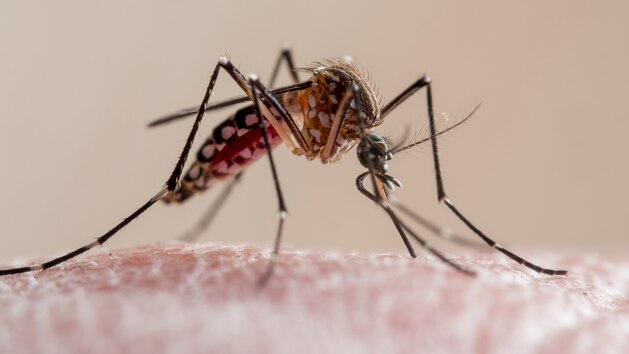

Legionnaires' disease cluster in New York City grows to 36 cases

Illustration of Legionella pneumophila bacteria, the cause of Legionnaires' disease. ( ROGER HARRIS/SCIENCE PHOTO LIBRARY/Getty Images)

(NEW YORK) -- A Legionnaires' disease cluster in New York City is growing, with 36 cases now confirmed, according to health officials.

As of Wednesday, there have been at least 22 hospitalizations and no deaths, according to the New York City Department of Health (NYC Health).

The cluster has affected the Upper East Side neighborhoods of Carnegie Hill and Yorkville, the department said.

In an earlier notice to the two neighborhoods, NYC Health said it believes the likely source of the bacteria is a cooling tower in the area, which sprays a mist that contains the bacteria. All area cooling towers were being tested for the bacteria, NYC Health said then.

There is no issue with any building's plumbing system and residents in the affected areas can continue to drink tap water, bathe, shower, cook and use their air conditioners, NYC Health further said in the notice.

On Tuesday, New York Mayor Zohran Mamdani said his administration was implementing measures to publicly identify the specific buildings suspected as being sources of Legionella bacteria and require owners to clean cooling towers quickly.

Legionnaires' disease is a severe form of pneumonia caused by inhaling the Legionella bacteria in small droplets of water mixed in the air or by contaminated water otherwise entering the lungs.

The bacteria are found naturally in fresh water but in amounts that generally don't lead to disease. The bacteria typically grow best in warm water and in warm to hot temperatures, according to the Centers for Disease Control and Prevention (CDC).

The disease does not generally spread from person to person but infections can occur if the bacteria get into a building's water supply, including in shower heads, sink faucets, hot water tanks, heaters, cooling towers and other plumbing systems.

Legionnaires' disease has increased in prevalence over the last decade, reaching a peak in the U.S. of 2.71 cases per 100,000 in 2018, the CDC said. Cases declined during the first year of the COVID-19 pandemic and then rebounded in 2021.

Although most people recover from Legionnaires' disease with antibiotics, certain patients – including those who are immunocompromised or who suffer from chronic lung diseases – can develop complications that can be fatal.

About one out of every 10 people who develop Legionnaires' disease will die due to complications, according to the CDC. Among those who develop Legionnaires' disease at a healthcare facility, about one of every four people will die, the CDC says.

Copyright © 2026, ABC Audio. All rights reserved.
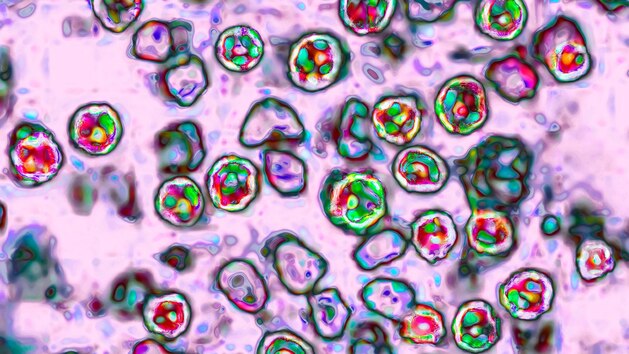

Cyclosporiasis cases top 1,200 in Michigan, health officials say

Cyclospora cayetanensis is a unicellular parasite that causes an intestinal infection called cyclosporiasis. (CDC)

(LANSING, Mich.) -- Reported cases of cyclosporiasis, an intestinal illness caused by a parasite, have topped 1,200 in Michigan, local health officials said Thursday.

Since June 22, at least 1,251 cases have been confirmed, according to the Michigan Department of Health and Human Services (MDHHS) . At least 36 people have been hospitalized.

Typically, the state sees about 50 cases per year.

Dr. Natasha Bagdasarian, an infectious disease physician, epidemiologist and the chief medical executive for the state of Michigan, told ABC News earlier this week that the department's working hypothesis is the outbreak is linked to contaminated produce.

The parasite usually spreads through food or water contaminated with feces, according to the Centers for Disease Control and Prevention (CDC).

Foodborne outbreaks of cyclosporiasis have been linked to various types of imported fresh produce, such as raspberries, basil, snow peas, mesclun lettuce and cilantro, according to the CDC.

The MDHHS spokesperson said on Wednesday that no specific produce, grower, supplier or type of produce has been identified as the source.

Michigan is not the only state reporting cases. The CDC said there have been 145 cases detected in 17 states since May 1, excluding Michigan. No deaths have been reported.

The CDC said patients' ages cases ranged from 5 through 86 and 61% were female.

Some patients do not experience any symptoms but, for those who do, the most common symptom is "explosive watery diarrhea," doctors previously told ABC News. Other symptoms can include cramping, bloating, low-grade fever, nausea and vomiting, the doctors said.

The CDC says it takes about one week from the time of infection to become symptomatic, but that time can range from two days to two weeks.

Because cyclosporiasis symptoms can resemble other illnesses, it may be hard for a patient to determine the cause.

"Anyone experiencing gastrointestinal illness, such as sudden and ongoing diarrhea, should contact their health care provider and their local health department," the MDHHS spokesperson told ABC News in an email.

Copyright © 2026, ABC Audio. All rights reserved.


Cases of parasitic infection growing in 2 states: Health officials

Cyclospora cayetanensis is a unicellular parasite that causes an intestinal infection called cyclosporiasis. (CDC)

(DETROIT) -- Cases of a parasitic infection are continuing to rise in at least two states, local health officials said.

As of July 6, nearly 700 cases of cyclosporiasis, an intestinal infection, were confirmed, an official from the Michigan Department of Health and Human Services (MDHHS) told ABC News on Monday. This is an increase from the roughly 300 cases reported on Thursday.

The 678 cases have predominantly been confirmed the southeast region of Michigan including Wayne County, where Detroit is located.

Typically, the state has 50 cases per year, meaning cases are currently about 13.5 times higher than on average.

Dr. Natasha Bagdasarian, an infectious disease physician, epidemiologist and the chief medical executive for the state of Michigan, described the 678 figure as a "moving target," meaning that cases are likely to continue rising.

"There is a significant lag time between exposure to contaminated produce or contaminated materials and development of symptoms," she told ABC News. "So it can take a week, sometimes even two weeks between exposure and development of symptoms."

She added that there may be some infected individuals who are only now reading news reports and getting tested, so there may be even more delayed diagnoses.

Additionally, in Ohio, there were 177 cases of cyclosporiasis as of July 2, Ken Gordon, press secretary for the Ohio Department of Health's communications office, confirmed to ABC News.

Cases have been confirmed across 43 counties in Ohio so far this year, according to Gordon. Most of those cases -- 171 -- were reported since June 20.

Meanwhile, the Centers for Disease Control and Prevention (CDC) reports 145 cases have been detected in 17 states since May 1, excluding Michigan, as of June 16, with at least 20 people hospitalized. No deaths have been reported.

The CDC said cases ranged between age 5 and 86, with a median age of 42, and 61% were female.

So far, no cases have been linked between states and health officials are still investigating if there is a common source of the outbreak in Michigan.

The parasite usually spreads through food or water contaminated with feces, according to the CDC.

Foodborne outbreaks of cyclosporiasis have been linked to various types of imported fresh produce, such as raspberries, basil, snow peas, mesclun lettuce and cilantro, according to the CDC. The agency further said it takes about one week from the time of infection to become symptomatic, but that time can range from two days to two weeks.

Bagdasarian said MDHHS's working hypothesis is that the outbreak is linked to contaminated produce, but it's unclear which produce, how long it has been on the shelf or where it's been distributed.

"We are making sure that we're issuing guidance to the public as well as to restaurants and commercial kitchens so that folks know the safest way to eat produce right now," she said. "If folks are making the switch and consuming all of these products as safely as possible, that could mean that we are still seeing cases where people were exposed."

Some patients do not experience any symptoms but, for those who do, the most common symptom is "explosive watery diarrhea," doctors previously told ABC News. Other symptoms can include cramping, bloating, low-grade fever, nausea and vomiting, the doctors said.

Since cyclosporiasis symptoms can resemble other illnesses, it may be hard for a patient to determine what they are infected with.

While a traditional stomach bug will have symptoms that typically disappear within 24 to 48 hours, cyclosporiasis symptoms may last for days or even weeks, Bagdasarian noted.

"If you believe that you could have cyclosporiasis, it's really important to see your healthcare provider and to mention cyclosporiasis, just in case they haven't heard about this outbreak happening right now, and ask for stool testing, because not all stool testing routinely will include cyclosporiasis," she said.

The CDC said the infection is very unlikely to spread from person to person because it takes at least one to two weeks outside the body for the parasite to become infectious after someone passes a bowel movement.

Local and federal authorities are working to find the cause of cases in various states and to see if there are any connections. So far none have been identified.

Cyclosporiasis is treated with the oral antibiotic trimethoprim-sulfamethoxazole (TMP-SMX), commonly sold as Bactrim, Septra and Cotrim, taken for 10 days, according to the CDC.

The CDC recommends that people can prevent infection by thoroughly washing produce, cutting away bruised or damaged parts of fruits and vegetables and refrigerating pre-prepared or pre-cut produce.

"Grabbing a scrub brush can also be helpful," Dr. Darien Sutton, an emergency medicine physician and ABC News medical correspondent, said on "Good Morning America Weekend" on Sunday. "And an important note here, this type of parasite doesn't easily go away with alcohol-based hand sanitizer. So, good old handwashing is really key here."

ABC News' Megan Fahrney contributed to this report.

Copyright © 2026, ABC Audio. All rights reserved.


'Large and growing' parasitic infection outbreak spreading in Michigan, health officials say

Cyclospora cayetanensis is a unicellular parasite that causes an intestinal infection called cyclosporiasis. (CDC)

(MICHIGAN) -- A "large and growing" outbreak of a parasitic infection is spreading in Michigan, health officials warned this week.

As of Thursday, more than 300 cases of cyclosporiasis, an intestinal infection, have been confirmed, the Michigan Department of Health and Human Services (MDHHS) told ABC News. Typically, the state only sees about 50 cases per year, according to MDHHS.

The parasite usually spreads through food or water contaminated with feces, according to the Centers for Disease Control and Prevention (CDC).

"We are working closely with our state and local partners to identify the source of this outbreak that is making so many people ill as quickly as possible," Lynn Sutfin, public information officer for MDHHS, told ABC News.

The outbreak comes as the CDC reports 145 cases have been infected in 17 states, excluding Michigan, as of June 15, with at least 20 people hospitalized.

The CDC, the Food and Drug Administration, state and local authorities are investigating several clusters of cyclosporiasis cases in multiple states.

Doctors told ABC News that cases usually start in May, so the Michigan outbreak occurred during the time or year when public health specialists typically would see a rise in cases. However, the number of cases in Michigan is particularly high, doctors said.

Dr. Peter Chin-Hong, an infectious diseases specialist and associate dean for regional campuses at the University of California, San Francisco, told ABC News that in years past, the U.S. used to see many cases cyclosporiasis acquired outside of the U.S, or from imported vegetables and fruits.

"But now we're starting to have more domestic cases as well," Chin-Hong said.

Foodborne outbreaks of cyclosporiasis have been linked to various types of imported fresh produce, such as raspberries, basil, snow peas, mesclun lettuce and cilantro, according to the CDC. The agency further said it takes about one week from the time of infection to become symptomatic, but that time can range from two days to two weeks.

Some patients do not experience any symptoms but, for those who do, the most common symptom is "explosive watery diarrhea," Dr. Zoe Weiss, director of clinical microbiology at Tufts Medical Center, told ABC News.

Other symptoms can include cramping, bloating, low-grade fever, nausea and vomiting, Weiss said.

"Though in most cases this illness causes discomfort from cramping, bloating and watery diarrhea, we are concerned about individuals who may be immunocompromised due to cancer treatment or an organ transplant as the effects may be more severe," Sutfin from MDHHS said.

Weiss said the infection is very unlikely to spread from person-to-person "because the parasite is passed in the stool, and then it requires days to weeks of formulation in the environment before it can become infectious."

Chin-Hong said that oftentimes people dismiss watery diarrhea, but it is important to get a diagnosis to get treatment as soon as possible.

Cyclosporiasis is treated with the oral antibiotic trimethoprim-sulfamethoxazole (TMP-SMX), commonly sold as Bactrim, Septra and Cotrim, taken for 10 days, according to the CDC.

Doctors told ABC News that people can prevent infection by thoroughly washing produce, cutting away bruised or damaged parts of fruits and vegetables, and refrigerating pre-prepared or pre-cut produce.

"If you're in an area that's been affected and you have sudden ongoing watery diarrhea, you should definitely seek a physician and get treatment," Weiss said.

Copyright © 2026, ABC Audio. All rights reserved.


Hantavirus outbreak linked to cruise ship over after last contact completes quarantine: WHO

The cruise ship MV Hondius docks in the Port of Rotterdam to be disinfected following the recent hantavirus outbreak, on May 18, 2026 in Rotterdam, Netherlands. (Omar Havana/Getty Images)

(GENEVA) -- The World Health Organization (WHO) said on Thursday that the hantavirus outbreak linked to a cruise ship is over.

It came after the final contact of a person exposed to the virus on the cruise ship completed their quarantine period, according to WHO Director-General Dr. Tedros Adhanom Ghebreyesus. The recommended quarantine and monitoring period for hantavirus exposure is 42 days.

The individual tested negative and returned home. No further cases have been reported since May 25, Tedros said during a media briefing.

As of Thursday, there have been a total of 13 cases of hantavirus -- 12 confirmed and one probable -- and three deaths, of which at least two have been confirmed, according to the WHO. All cases have been passengers or crew members on the ship.

Tedros said more than 650 contacts were identified and followed up by health authorities in 33 countries and territories. 

"Although the outbreak is over, WHO will continue working with governments and partners to advance our understanding of this outbreak and of hantavirus more generally," Tedros said. "We are also coordinating a study involving 21 countries to understand how the disease develops, which will support the development of diagnostics, therapeutics and vaccines for future outbreaks."

Last week, quarantine ended for the 18 Americans who were cruise ship passengers on the MV Hondius and exposed to hantavirus.

The WHO said it received notification on May 2 of a cluster of "severe acute respiratory illness" aboard the MV Hondius, including two deaths and one critically ill passenger

The working hypothesis behind the cluster is that the first case was infected with hantavirus while on land, before boarding the cruise ship, according to the WHO.

At least 11 confirmed cases tested positive for Andes virus, a rare strain of hantavirus, and the only one that is known to transmit between people, according to the Centers for Disease Control and Prevention.

Copyright © 2026, ABC Audio. All rights reserved.


Record number of West Nile virus cases since 2004, CDC warns ahead of holiday weekend

A Culex mosquito, primary vectors for several viral and parasitic diseases inside a house in Tehatta, West Bengal, India, March 3, 2026. (Soumyabrata Roy/NurPhoto via Getty Images)

(NEW YORK) -- A record number of West Nile virus cases have been recorded for this time of year, the Centers for Disease Control and Prevention (CDC) warned on Wednesday ahead of the upcoming holiday weekend.

At least 48 cases of West Nile have been reported so far this year compared to an average of 10 typically by the end of June. This is the highest number of infections reported at this point in year since 2004, according to the federal health agency.

Additionally, at least 23 states are reporting West Nile activity, which is the highest number recorded over the last 10 years, CDC data shows.

The illness is the leading cause of mosquito-borne disease in the contagious U.S., with several thousand cases and over 100 deaths reported on average each year.

With millions gathering outside for Fourth of July, the CDC is urging Americans to take precautions and reduce their risk of mosquito bites.

Since 1999, the disease has killed more than 3,300 Americans. Cases have historically peaked in August and are mostly reported from June through October.

While many people infected do not develop symptoms, about one in five do. Symptoms include fever, headache, body aches, vomiting, diarrhea or rash, according to the CDC.  Most symptoms soon disappear, though weakness and fatigue may last for weeks or months.

Fewer than 1% of people infected develop severe illness that affects the central nervous system, including inflammation of the brain (encephalitis) and the membranes around the brain and spinal cord (meningitis), the CDC says.

Risk of severe disease, hospitalization and death increase with older age; certain medical conditions including cancer, high blood pressure and kidney disease; and a weakened immune system.

There are currently no vaccines for West Nile virus, nor disease-specific treatments. The CDC recommends rest, fluids and over-the-counter medications to treat the infection. Those with severe illness may need to be hospitalized and receive additional support treatments, such as intravenous fluids.

Copyright © 2026, ABC Audio. All rights reserved.


Eligible seniors can get GLP-1s for $50 a month for weight loss alone

Close-up of a woman holding several GLP-1 injection pens used for weight loss and diabetes treatment. Modern injectable medication concept for obesity management, healthcare and pharmaceutical therapy. (Kateryna Borodina/Getty Images)

(NEW YORK) -- For the first time, Medicare will cover GLP-1s for obesity-related weight loss, without any other medical conditions.

Starting Wednesday, eligible Medicare beneficiaries can receive GLP-1s for obesity for $50 per month by prescription. Medicare is the primary federal health insurance program in the U.S. for individuals 65 and older.

Federal rules ban Medicare Part D -- which helps cover prescription drug costs -- from covering drugs solely to treat obesity, but a new federal pilot bridge program approved by Health and Human Services Secretary Robert F. Kennedy Jr. will be in effect until Dec. 31, 2027.

This move could dramatically expand access to Eli Lilly's Foundayo and Zepbound and Novo Nordisk's Wegovy for seniors 65 and older as well as other eligible Medicare enrollees.

Foundayo and Wegovy Pill are daily tablets. Wegovy and Zepbound are weekly injections that require refrigeration.


A month supply of Wegovy will come in four pre-filled pens while Zepbound will be delivered in a KwikPen, which holds four weekly doses in a single device.

Single-dose Zepbound pens and Zepbound vials will not be covered by the bridge program.

"These treatments are a major medical advancement, but too many seniors are currently unable to access them due to high cost," Dr. Mehmet Oz, administrator of the Centers for Medicare and Medicaid, said in a statement last month. "The Medicare GLP-1 Bridge changes that by making these medications more affordable and accessible, while advancing our broader goal of helping Americans live healthier lives."

An estimated 3.8 million beneficiaries could be eligible for the program, according to a KFF analysis of 2023 Part D enrollment data that was published Monday.

The government negotiated with the manufacturers to reduce the price the government will pay to $250 for a month’s supply and in return the companies will have access to the larger patient population. Each patient will pay a $50 copay towards the cost of the medication, but that co-pay will not go toward an individual’s annual deductible.

Patients will first need prior authorization -- prescribing clinicians will submit documentation proving the patient meets strict body mass index (BMI) and health condition requirements. That means patients will need to wait for the prescription to be approved before it can be filled.

Patients must have Body Mass Index (BMI) of 35 or higher. If their BMI is 30-35, they must have certain types of heart failure, hard to control blood or chronic kidney disease.

If their BMI is 27-30, they must have prediabetes, history of heart attack or stroke or blocked arteries in the arms or legs.

These requirements are more restrictive than the FDA approval language or what private insurance companies require, which is a BMI of 30 or over.

Patients must also not have type 2 diabetes, moderate-to-severe sleep apnea, or fatty liver disease because their Medicare plan may already cover GLP-1s.

"GLP-1s can be life-changing for patients managing obesity and related conditions," Chris Klomp, director of Medicare and chief counselor at the U.S. Department of Health and Human Services, said in a statement last month.

"This demonstration is designed to make accessing those medications simpler, more predictable, and more consistent across the Medicare program, which means better quality of life for seniors and better value across the health care system," the statement continued.

​Individuals will be able to fill their pre-approved prescriptions at local retail pharmacies and directly through Novo Nordisk or Ely Lilly’s direct to consumer mail order pharmacies.  

Copyright © 2026, ABC Audio. All rights reserved.


Weather

Visitor Polls

At this point in summer, you’re feeling…
Add a Comment
(Fields are Optional)

Your email address is never published.